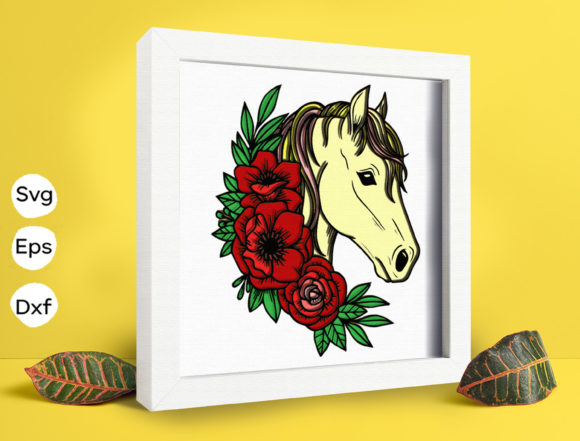
Rose Horse Papercut Light Box for Creative Workflow Integration
The Rose Horse Papercut Light Box is a versatile tool that enhances the creative process, particularly for those working with intricate paper designs. It serves as an essential component in the workflow of artists, designers, and hobbyists who rely on precision and clarity when creating papercut art. Whether you're crafting detailed patterns or preparing templates for digital cutting machines, the light box provides a clear view of your work, ensuring accuracy and efficiency.
Integrating the Rose Horse Papercut Light Box into your workflow can streamline various stages of design and production. From initial concept development to final execution, this tool supports a range of tasks that require careful alignment and visibility. Understanding how to use it effectively can significantly improve the quality of your output and the overall experience of your creative process.
Using the Rose Horse Papercut Light Box in Different Workflow Stages
The Rose Horse Papercut Light Box can be utilized at multiple points in a creative project. Before starting a design, it helps in tracing or transferring patterns onto your working material. During the creation phase, it allows you to see through layers of paper, making it easier to align and cut complex shapes. After completion, it can assist in inspecting details and ensuring consistency across multiple pieces.
For example, if you're designing a custom papercut for a client, the light box can help you review the design before sending it to a cutting machine. This step ensures that all elements are correctly positioned and that the final product meets your standards. By incorporating the light box early in the process, you reduce the likelihood of errors and rework later on.
Compatibility with Design Software and Cutting Machines
The Rose Horse Papercut Light Box works seamlessly with a variety of design software and cutting machines. Whether you're using Cricut Design Space, Silhouette Designer Edition, Adobe Illustrator, or Inkscape, the light box supports the preparation of files that will be used in these programs. Its ability to display transparent or semi-transparent materials makes it ideal for checking alignment before exporting files for cutting.
When working with files in formats such as SVG, DXF, EPS, or AI, the light box can help verify that your design is properly scaled and positioned. This is especially useful when preparing files for Make the Cut or Corel Draw, where precise measurements are critical. By using the light box to review your work, you can ensure that the digital file matches your physical design, reducing the risk of discrepancies during the cutting process.
Practical Tips for Integrating the Light Box into Your Workflow
To get the most out of the Rose Horse Papercut Light Box, consider the following tips:
- Prepare your workspace: Ensure that your light box is placed on a flat, stable surface and that the lighting is sufficient for your needs. Adjust the brightness if necessary to avoid glare or shadows.
- Use transparency sheets: When tracing or transferring designs, use transparent sheets that allow you to see the underlying pattern clearly. This practice helps maintain accuracy and reduces the need for repeated adjustments.
- Combine with digital tools: Pair the light box with your preferred design software to create a hybrid workflow. Use the light box for physical verification and the software for digital editing and file preparation.
- Organize your materials: Keep your design templates, cutting mats, and other supplies organized to minimize disruptions during the workflow. A well-organized space enhances productivity and reduces errors.
Enhancing Efficiency and Consistency
Efficiency and consistency are key factors in any creative workflow, and the Rose Horse Papercut Light Box plays a crucial role in achieving both. By providing a clear view of your work, it minimizes the time spent on corrections and adjustments. This is particularly beneficial when working on large projects or producing multiple identical pieces.
Consistency is also improved when using the light box to check alignment and proportions. For instance, if you're creating a series of papercut decorations for a wedding or event, the light box ensures that each piece maintains the same level of detail and precision. This attention to consistency not only elevates the quality of your work but also enhances the professional appearance of your final products.
Long-Term Use and Maintenance
Investing in the Rose Horse Papercut Light Box means considering its long-term use and maintenance. The durability of the light box depends on proper handling and storage. To extend its lifespan, avoid exposing it to extreme temperatures or moisture, and store it in a clean, dry area when not in use.
Regular cleaning of the light box's surface is also important to maintain clarity and prevent dust buildup. Using a soft cloth and mild cleaning solution can help keep the surface free from smudges and scratches. Additionally, checking the power source and electrical connections periodically ensures that the light box functions reliably over time.
Conclusion: Streamlining Your Creative Process
The Rose Horse Papercut Light Box is more than just a tool; it's a valuable asset that enhances the creative process. By integrating it into your workflow, you can improve accuracy, efficiency, and consistency in your papercut projects. Whether you're a professional designer or a hobbyist, the light box offers practical benefits that support your creative goals.
As you explore different design software and cutting machines, remember that the Rose Horse Papercut Light Box can serve as a bridge between your physical and digital work. By understanding its capabilities and using it effectively, you can unlock new levels of creativity and productivity in your projects. With the right approach, this tool becomes an essential part of your creative toolkit, helping you achieve high-quality results with ease.